
Escape rooms have exploded from niche entertainment to global phenomenon in less than two decades. The concept originated from the ‘escape the room’ video game subgenre, with the Japanese game Crimson Room, released in 2004, being a significant influence. The first real-life escape game was created by Takao Kato in 2007, inspired by the popularity of these video games. From there, escape rooms gained popularity worldwide, with the first escape rooms in Europe opening in Hungary in 2011 and the first in the UK in London in 2012. Hence, escape rooms are immersive adventures where participants are locked in a themed room and must solve puzzles and clues to unlock doors, boxes, or compartments and ultimately escape before time runs out.
Yet despite their popularity, first-timers often feel intimidated. Any person or group can play—escape rooms are designed for all types of people, not just puzzle experts. They’re especially popular as a fun and engaging activity for groups of friends, offering a unique way to enjoy time together, celebrate special occasions, and even make new connections while playing as a team. Questions swirl: Will I look foolish? Are they actually hard? What if we fail?
This guide answers everything you need to know about how escape rooms work, what to expect, and how to have fun regardless of experience level. Each person brings unique strengths to the team, making every play session a collaborative and engaging challenge.
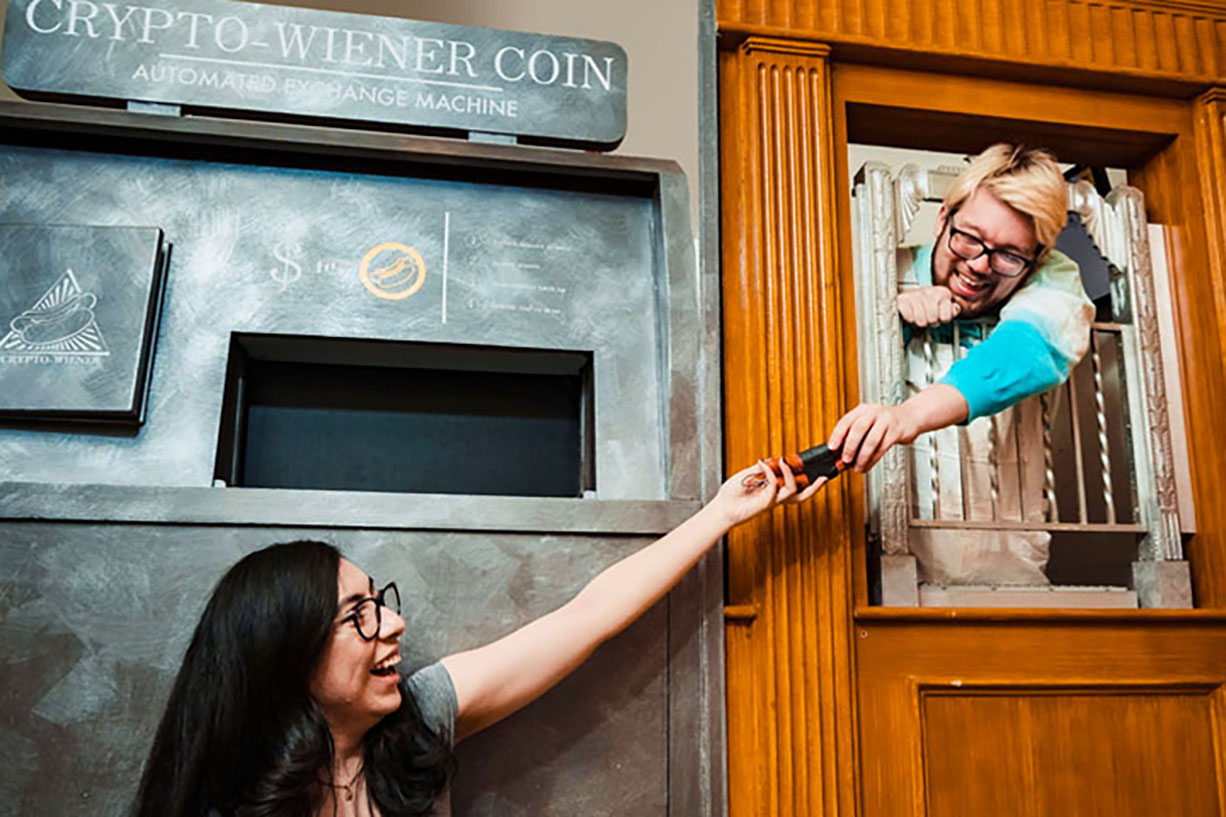
How Do Escape Rooms Work?
Escape rooms are immersive puzzle games where players must work together to find clues, solve puzzles, and complete a mission within a set time limit, typically 45-60 minutes. Teams are often locked in the room and must work together to break out before time runs out. Escape rooms typically have a 60-minute time limit, which creates a sense of urgency that motivates teams to think and act quickly.
Here’s the basic structure:
- Teams of 2-10 players enter a themed room together
- Collaborative gameplay requires constant communication
- Teams are locked in and must solve puzzles to break out
- Interconnected puzzles unlock progressively
- Mission completion is the goal (not always literal escape)
- Game master supervision provides hints when needed
Many puzzles in escape rooms are designed to require collaboration, making teamwork a necessity for a successful team escape. Modern rooms focus on objectives like disarming devices, saving the world, traveling through time, solving mysteries, or completing treasure hunts rather than simply finding a door key.
Escape rooms offer unique experiences and unique themes, such as time travel adventures or exploring a different world, ensuring that each visit is memorable and tailored to different skill levels and group dynamics.
What Happens Inside an Escape Room?
The Game Master explains the rules, introduces the backstory, and answers any questions before the game starts, setting the stage for the players’ experience. Players typically enter an escape room with a mission given by a Game Master, who explains the rules and may provide hints during the game.

Step-by-step breakdown:
- Pre-game briefing – Rules explained, phones stored away
- Mission introduction – Video or narration sets the scene
- Clock starts – You step inside the themed environment and are ‘locked’ in the room as part of the experience, with the goal of escaping before time runs out
- Search and discover – When the game starts, examine everything in the room, including under rugs and inside drawers, as these can contain important clues
- Solve progressively – One clue unlocks the next challenge
- Request hints – During the game, the Game Master can provide hints to players if they get stuck, ensuring that the experience remains engaging and enjoyable
- Complete or debrief – Celebrate success after solving the final puzzle, or learn remaining puzzles
The Game Master monitors the game from outside the room, ready to assist players and ensure they are on track to complete their mission within the time limit. Whether you win or not, most rooms include a fun walkthrough of any unsolved challenges.
Are Escape Rooms Hard for Beginners?
The short answer: escape rooms are designed to be challenging but solvable for everyone.
Most escape rooms offer difficulty levels from beginner-friendly to expert. Beginner rooms feature more linear puzzle progression and generous hint systems. Successful escape rooms feature a variety of puzzles, including logic and pattern recognition, physical tasks, and search and observation challenges—meaning different team members can contribute different strengths.
Why beginners succeed:
- No special skills required beyond communication
- Diverse teams often outperform solo experts
- Game masters actively guide stuck players
- Rooms are playtested for solvability
Utilize everyone’s skills by assigning tasks based on team members’ strengths, such as those who excel at pattern recognition or logical puzzles. Encourage each person to share their ideas, as even a small idea can inspire a breakthrough or help the team see a puzzle from a new angle. A group combining different abilities typically performs better than individuals.
Common Types of Escape Rooms
Each escape room is designed around a specific theme, offering unique themes and unique experiences tailored to different groups and skill levels. These themes can range from solving a murder to escaping a haunted house, and the puzzles are often tied directly to that theme. Escape rooms are designed to ensure that puzzles fit the narrative and are not randomly placed, enhancing player experience.
Popular theme categories:
| Theme Type | Examples | Intensity Level |
|---|---|---|
| Mystery/Detective | Murder investigations, crime solving | Low-Medium |
| Adventure | Treasure hunts, exploration missions | Low-Medium |
| Horror/Suspense | Haunted locations, psychological thrillers | Medium-High |
| Story-Driven | Character narratives, plot-focused | Varies |
| Family-Friendly | Age-appropriate puzzles, lighter themes | Low |
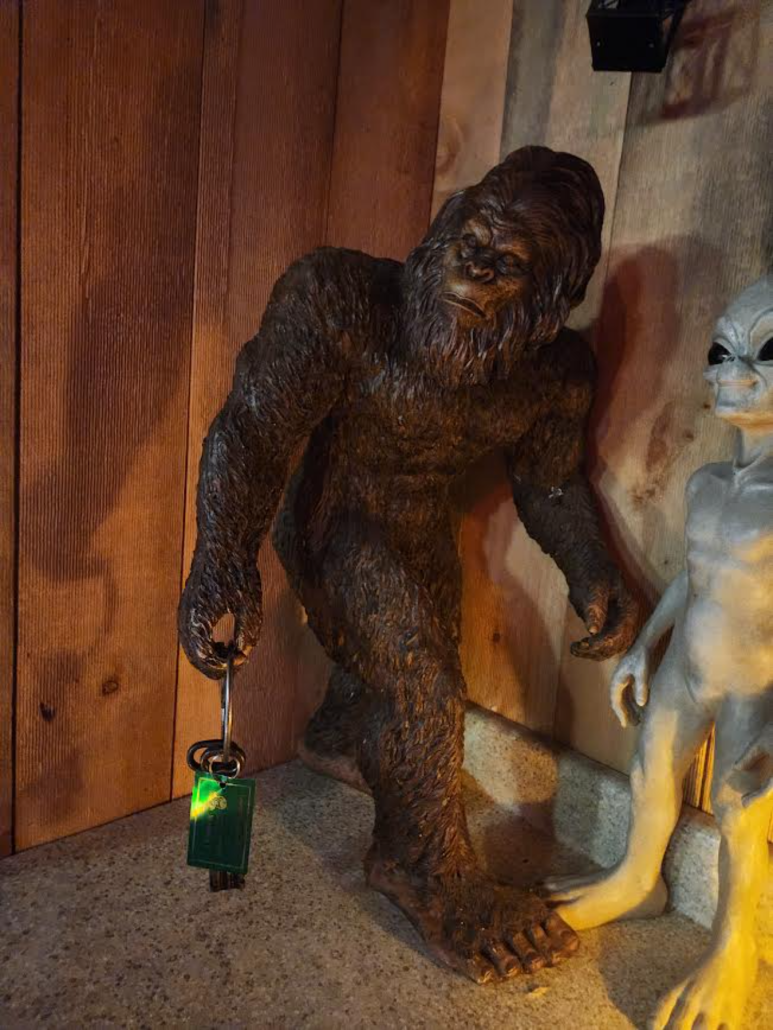
Each unique theme creates a distinct world for players to explore, making every escape room adventure memorable and immersive. Escape rooms often feature a variety of themes, such as solving a murder, breaking out of a dungeon, or taking on a villain, which enhance the immersive experience. Classic escape room themes often include popular scenarios like a haunted house, a pirate ship, or a cursed Egyptian pyramid, appealing to both new and experienced players.





What Should First-Timers Expect?
Participants in escape rooms engage in immersive storytelling and experience varied puzzle design under the pressure of a ticking clock. Here’s what the experience actually feels like:
The reality of gameplay:
- Teamwork over brilliance – Communication matters more than intelligence
- Exciting time pressure – The clock creates adrenaline, not panic
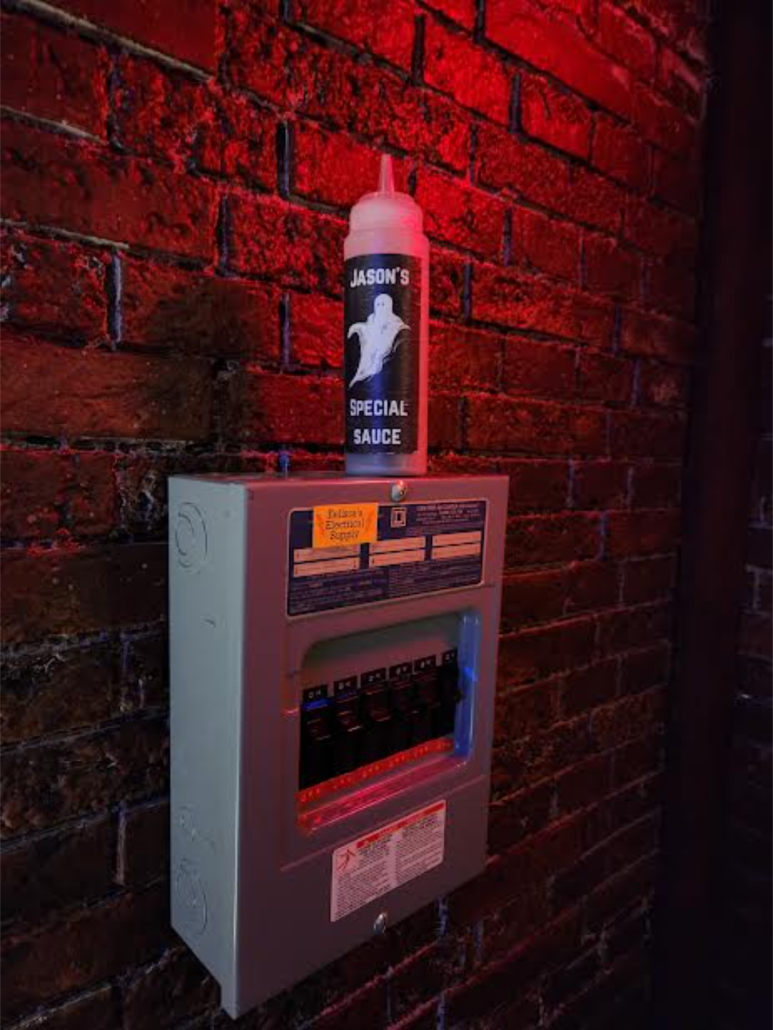
- Deep immersion – High-quality set design, authentic props, and sensory details like thematic lighting and sound effects transport players into the narrative
- Physical interaction – Expect standing, searching, and occasionally crawling
- Constant sharing – Announce every discovery to other team members
- Every person matters – Each person in the group brings unique skills and perspectives, and everyone’s contribution is vital to the team’s success
Escape rooms are especially popular among groups of friends looking for a fun and engaging social experience, whether celebrating special occasions or simply enjoying time together. The collaborative nature of the game also makes it easy to make new connections during play.
The combination of a compelling theme supported by detailed props, lighting, and sound creates an immersive atmosphere in escape rooms that makes you forget you’re playing a game. The act of play—actively participating in the adventure—is what makes the experience truly memorable.
Escape Room Tips for Beginners
These escape room tips will maximize your chances of success:
Communication essentials:
- Vocalize every discovery immediately
- Pay close attention to clues others find
- Avoid duplicate work by announcing what you’re searching
Organization strategies:
- It’s important to keep track of solved puzzles and used clues by setting them aside in a discard pile to avoid wasting time on already completed tasks
- Create a central pile for items under investigation
- Mark which locks or puzzles you’ve already solved
Mindset approaches:
- Don’t overthink early clues—they’re often simpler than expected
- Stay calm under pressure, especially as the timer counts down, to maintain focus and improve your chances of solving the puzzles effectively
- Use hints strategically rather than struggling indefinitely
- Stay positive when stuck—frustration wastes time
Unique elements like magnetic locks, hidden compartments, and UV light clues enhance the immersion in escape room experiences. Search the room thoroughly but methodically—every clue could lead to a breakthrough or help you break out of the room.
What to Wear to an Escape Room
Practical attire makes a difference:
- Comfortable clothing – You’ll move, bend, and reach
- Practical footwear – Expect to stand for an hour; skip heels
- Consider mobility – Some rooms require crawling or climbing
- Skip valuables – Leave restrictive jewelry at home
Think of dressing for a casual adventure rather than a night out.
Are Escape Rooms Scary?
Most escape rooms aren’t actually scary. There’s an important distinction:
- Suspense themes use atmospheric tension (dim lighting, sounds)
- Horror rooms may include intense content with advance warnings
- Jump scares are rare in traditional puzzle-focused rooms
If you’re nervous about scary content, simply ask when booking. Venues clearly indicate intensity levels, and family-friendly alternatives exist for every theme category. The goal is fun, not fear.
Escape Rooms vs Immersive Experiences
Traditional escape rooms prioritize puzzle-solving, but a newer format offers something different.
Traditional Escape Rooms:
- 60-minute puzzle chains
- Logic-focused challenges
- Game master provides hints remotely
- Success measured by escape/completion
Immersive Experiences:
- Actor-driven storytelling
- Narrative depth over puzzle complexity
- Direct character interaction
- Deeper emotional engagement
Virtual reality escape rooms allow players to step into a different world, creating immersive environments that go beyond the limitations of traditional escape rooms. These experiences offer expansive, story-rich worlds to explore and more intricate storylines, enhancing the sense of adventure and immersion. These immersive alternatives suit players who crave story and character interaction over pure problem solving—perfect for couples seeking connection or groups wanting memorable adventures.
Frequently Asked Questions
How do escape rooms work?
Teams enter themed rooms and solve interconnected puzzles within 60 minutes. A game master supervises via camera, offering hints when players get stuck. Success means completing the mission objective before time runs out.
Are escape rooms difficult?
Difficulty varies by room design. Beginner rooms offer linear puzzles and more hints. The challenge is designed to be achievable—escape games want you to have a great experience, not fail miserably.
How long do escape rooms last?
Standard games run 60 minutes, though some venues offer 45-minute or extended 90-120 minute experiences. Include extra time for briefing and debrief in your time frame planning.
What happens if you don’t escape?
Nothing bad! Staff explain remaining puzzles, and many players still rate “failed” attempts as exciting fun. The adventure matters more than the outcome.
Can beginners do escape rooms?
Absolutely. Rooms are specifically designed for varied skill levels. Invite people with different strengths, communicate openly, and let the game master point you in the right direction when stuck.
Are escape rooms fun for couples or groups?
Both! Couples enjoy intimate collaboration in smaller rooms, while groups benefit from diverse problem-solving approaches. Whether it’s a family outing, friend group challenge, or team building event, escape rooms create memorable shared experiences.
Conclusion
Understanding how escape rooms work removes the mystery and replaces it with excitement. From entering your first themed room to racing against the clock with teammates, the experience delivers real-life adventure unlike anything else.
You don’t need special skills, or to be a puzzle genius. You just need willingness to explore, communicate, and have fun with the people around you.
Ready to begin your own adventure? Whether you choose a classic escape room challenge or an immersive experience with deeper storytelling, your first escape awaits. Book a room, gather your team, and discover why millions of players worldwide have made escape rooms their favorite way to create unforgettable memories.