
Game Flow Consulting | The Possible Zone
We opened our doors to The Possible Zone and did something we don’t usually do: we taught our entire process.
Students came with classroom concepts and left understanding how puzzle flow actually works, why story architecture matters more than you think, and how to turn an idea into an experience that doesn’t feel half-baked.
This wasn’t a surface-level tour. We brought them through the real design decisions, the failures we learned from, the moment you realize a puzzle that made sense on paper doesn’t work when a real person is actually standing in front of it.
Watching students transform their abstract concepts into fully realized escape games wasn’t just mentorship. It was proof that we actually know what we’re doing well enough to teach it.
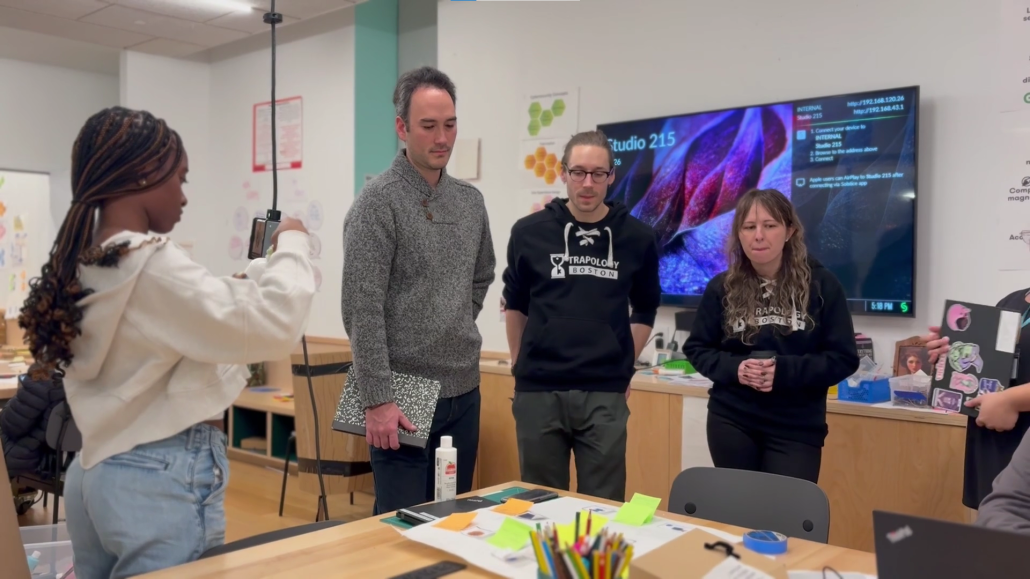
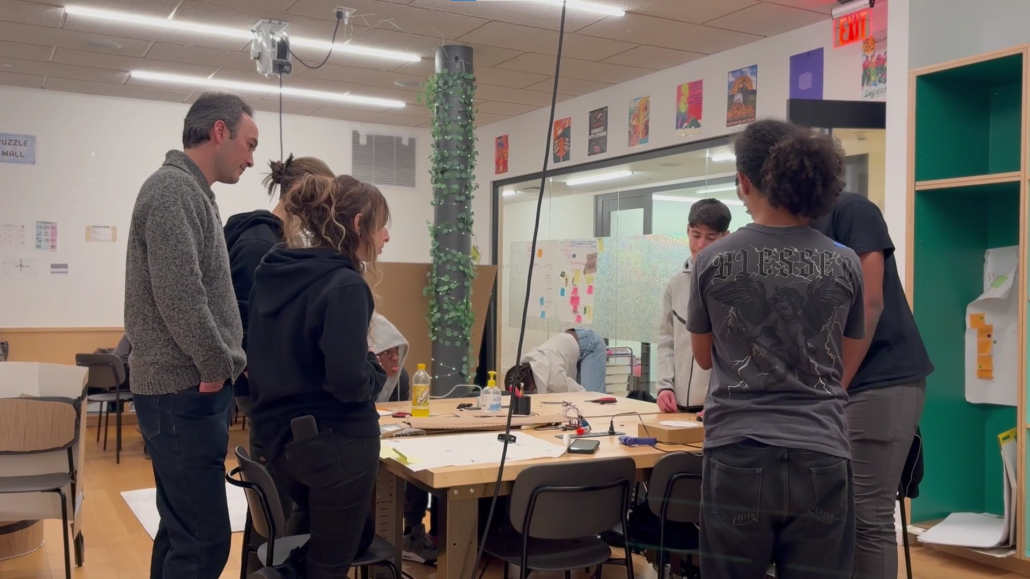
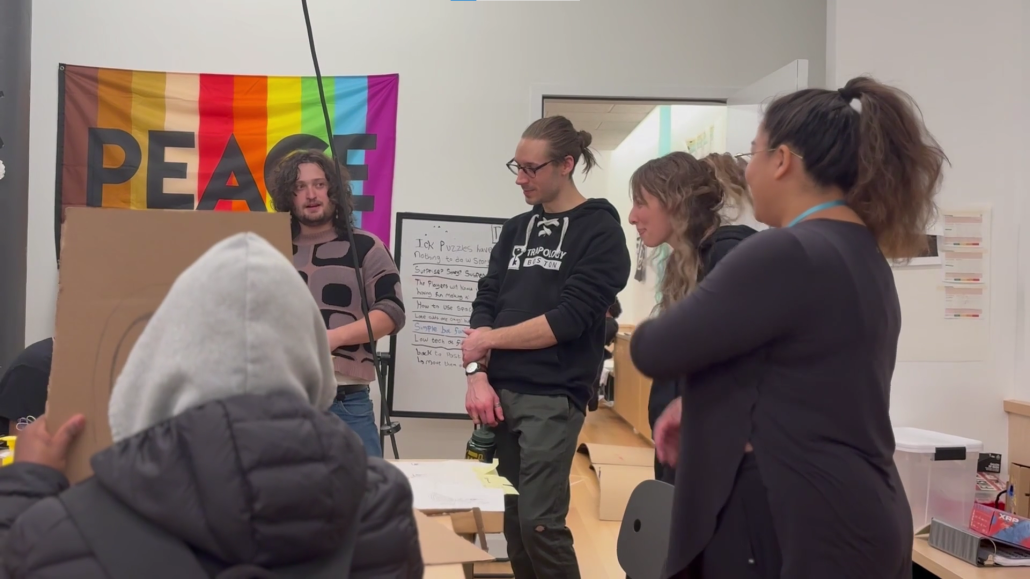
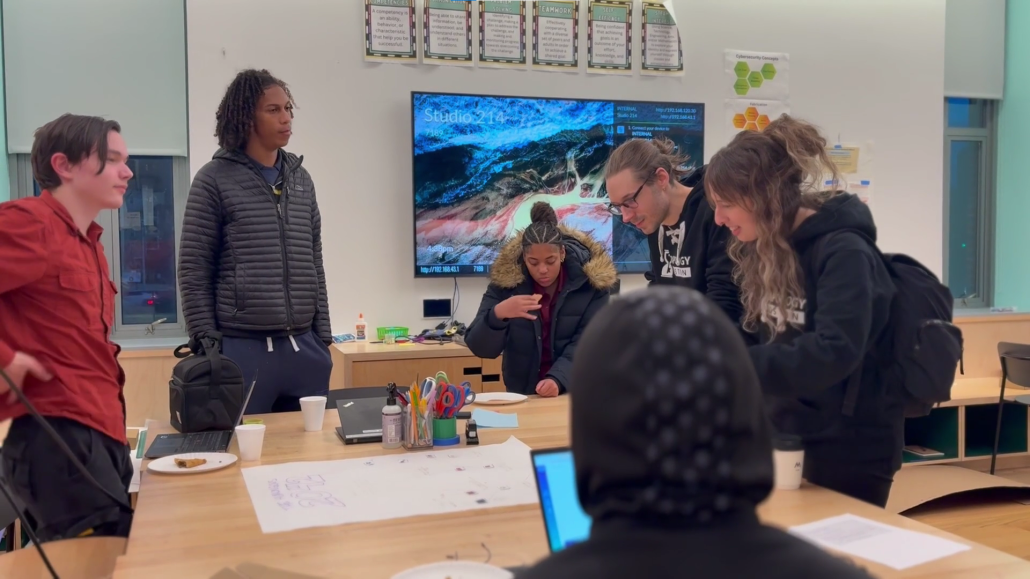
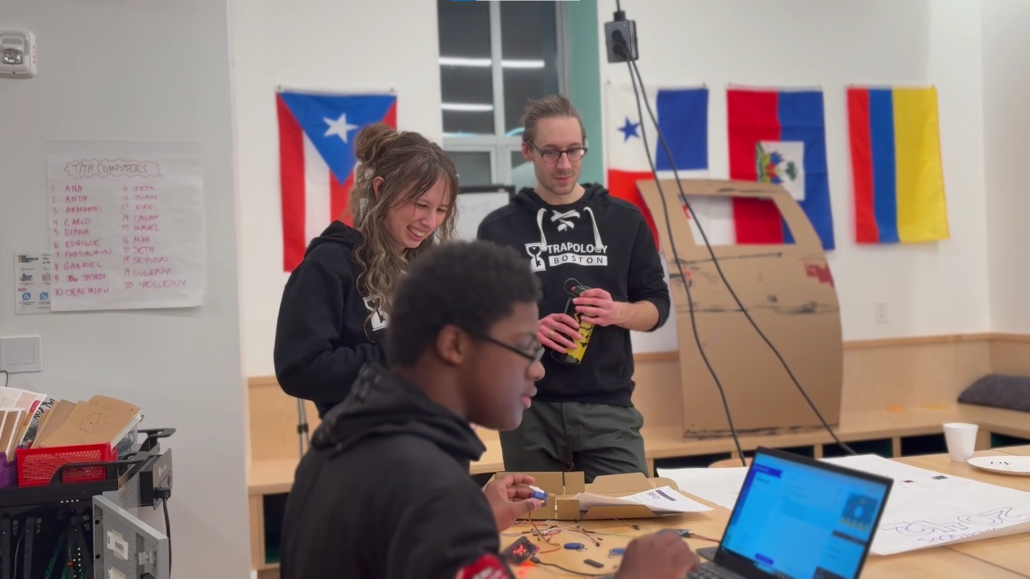
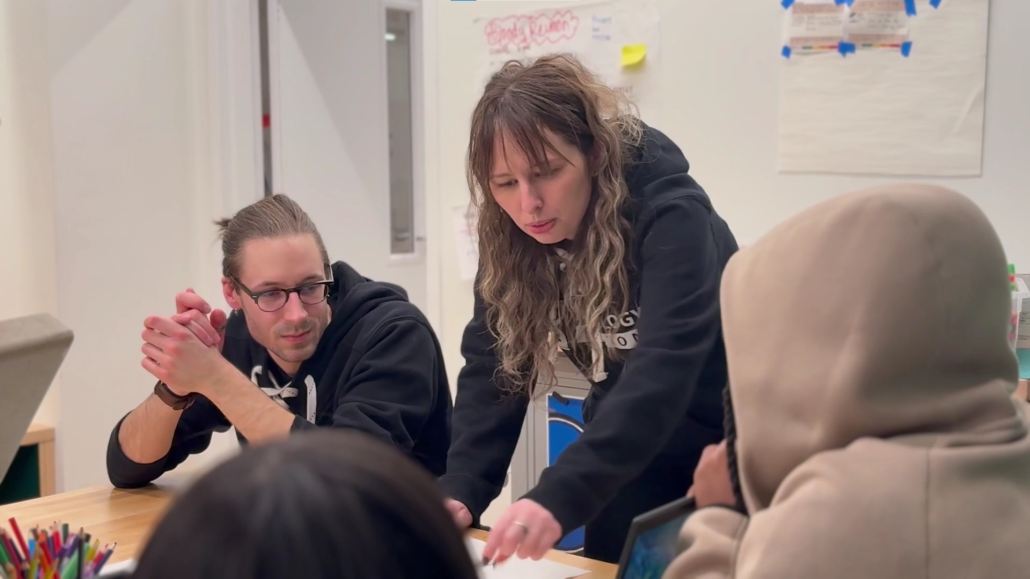
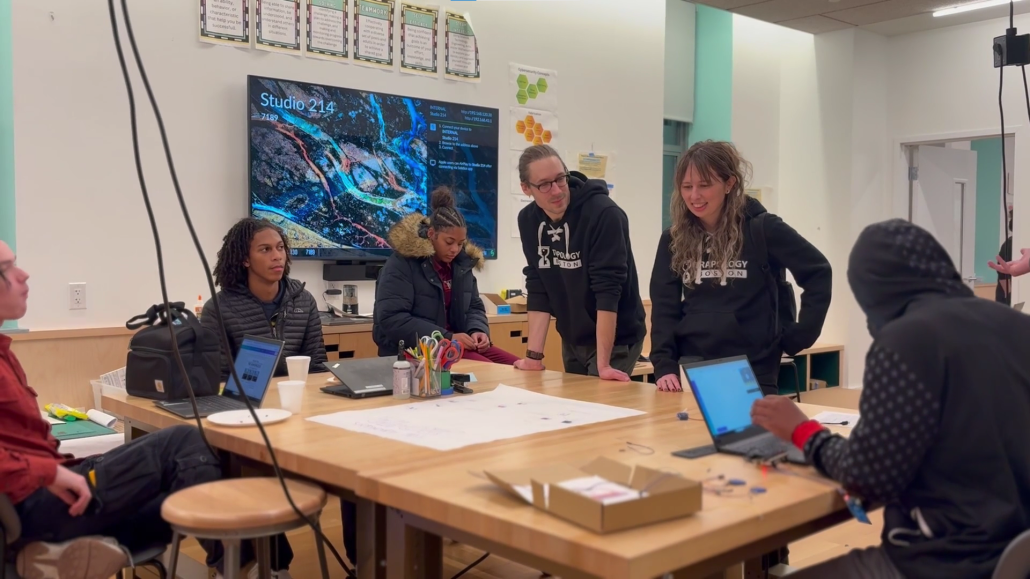
Letting students into your design process means committing to absolute clarity about why you make every decision. There’s no hand-waving, no “it just works,” no hiding behind the final product. You have to articulate the theory behind every choice: why this puzzle comes before that one, how story architecture supports player psychology, what happens when you miscalculate pacing by two minutes.
We worked with The Possible Zone because we believed their students deserved to understand not just what escape games are but how they actually get built. We walked them through the real failures, the prototypes that didn’t work, the moment you realize a puzzle that felt clever on paper feels insulting to someone actually standing in front of it.
We showed them how to test, how to iterate, how to listen to player behavior instead of defending your original idea. The hardest part wasn’t explaining the process. It was being honest about the gaps in our own thinking and showing students how you work through uncertainty instead of pretending you had all the answers from day one.
When we saw their classroom concepts transform into fully realized escape games, that’s when we realized teaching isn’t about giving answers. It’s about teaching people how to ask the right questions.
Our Impact
We Positioned Ourselves as Educators, Not Just Operators
We opened our process to students, which meant proving we could articulate and teach what we do. That shift from just building escape games to teaching how to build them positioned Trapology as a thought leader in the industry, not just a venue.
We Mentored the Next Generation of Creators
By working with The Possible Zone, we directly influenced how young designers think about puzzle flow, story architecture, and experience strategy. Students didn’t just learn theory. They learned from people actively building the most challenging escape games in Boston.
We Validated Our Design Philosophy
Teaching forces clarity. When students took our principles and built their own fully realized escape games, that wasn’t luck. That was proof our methodology actually works. If our framework can guide someone else to success, it’s real.
We Extended Educational Impact Beyond One Organization
Following this partnership, Nicole Loeb spoke to Milton Academy and designed a mobile Instagram escape game specifically for rising senior class math students. Trapology game designers also gave presentations to Brookline High students. One collaboration opened the door to multiple educational partnerships.
We Demonstrated Transparency as a Brand Value
Most companies guard their process. We opened it. That kind of vulnerability and confidence shows we’re secure enough in our craft to share it. It’s the kind of move that builds loyalty with partners and establishes authority in the industry.
We Proved Escape Room Design is an Actual Discipline
By teaching it, we elevated escape room design from “fun side project” to “legitimate field of study.” Students could now point to a structured methodology, not just instinct and trial-and-error.
We Created a Pipeline of Future Collaborators
These students didn’t just learn about escape rooms. They learned from Trapology specifically. Some of them will become designers, event producers, educators, and creative professionals who remember where they learned. That’s long-term brand equity.