
Choosing the right room can be the difference between a good time and watching the timer drain while your team tries to solve one last lock. This review of Trapology escape rooms’ difficulty ranks Trapology Boston rooms from beginner to expert, touching on decor, immersion, and challenge level, so you can book the right game for your group, team size, and goals. Trapology is recognized as one of the most challenging escape rooms in the city, making it a top choice for those seeking a premier experience.
Trapology’s location is in Boston, MA at 177 Tremont St. and is known for immersive rooms, detailed scenery, thematic effects, logic puzzles, hidden compartments, and a competitive style where escape is not guaranteed. Trapology specifically designs several of its rooms to be significantly more challenging than standard escape rooms, which often aim for a 30–50% success rate to maintain customer satisfaction.
The key thing to know about trapology escape rooms difficulty is that the venue leans harder than many standard escape game locations. While many escape rooms aim for a 30–50% success rate to keep customer satisfaction high, Trapology Boston reports an overall success rate closer to 20–30%.
That makes room choice matter. A first time player may enjoy the retreat, while experienced players may want crush depth, the venue’s hardest room.

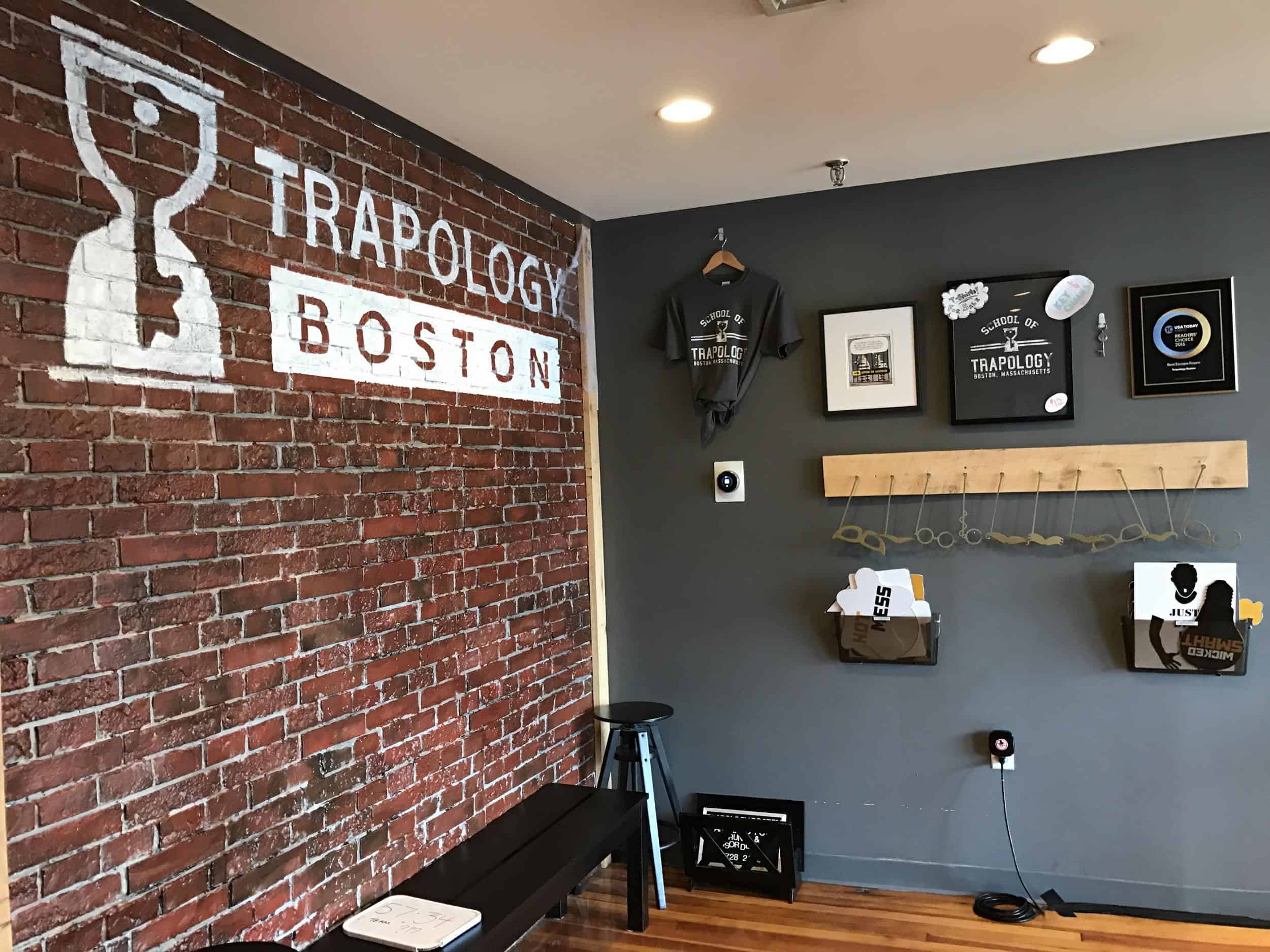
How Escape Room Difficulty Works
Difficulty in a room escape experience is not just about hard puzzles. It comes from several factors working together:
- Puzzle density and complexity
- Observation and searching
- Time pressure during the hour
- Teamwork and communication
- Whether the game uses simple locks or custom-programmed, automated puzzles
Escape rooms are designed to create immersive environments that engage players through detailed scenery and thematic elements. High-quality set design can significantly enhance immersion, with realistic textures and materials helping create atmosphere.
Themed escape rooms often include storylines that encourage players to solve puzzles inside the narrative. Common themes include supernatural elements, psychological thrillers, adventure quests, and mystery. Trapology rarely uses extreme haunted house scares, focusing more on suspenseful, thrilling experiences.
Trapology difficulty levels are not published as a formal 1–10 scale, but the venue’s recommendations, success rates, and reviews make a practical ranking possible.
Escape Rooms Ranked by Difficulty
Beginner Level Rooms (🟢 Easy)
The best Trapology rooms Boston beginners should consider start with the retreat.
- retreat: Best for first-timers, families, and smaller groups. It has Trapology’s highest success rate and introduces core skills like searching, matching clues, and making simple connections.
- Witching Hour: Low-to-moderate difficulty, useful for a friend group that wants a bit of suspense without being overwhelmed.
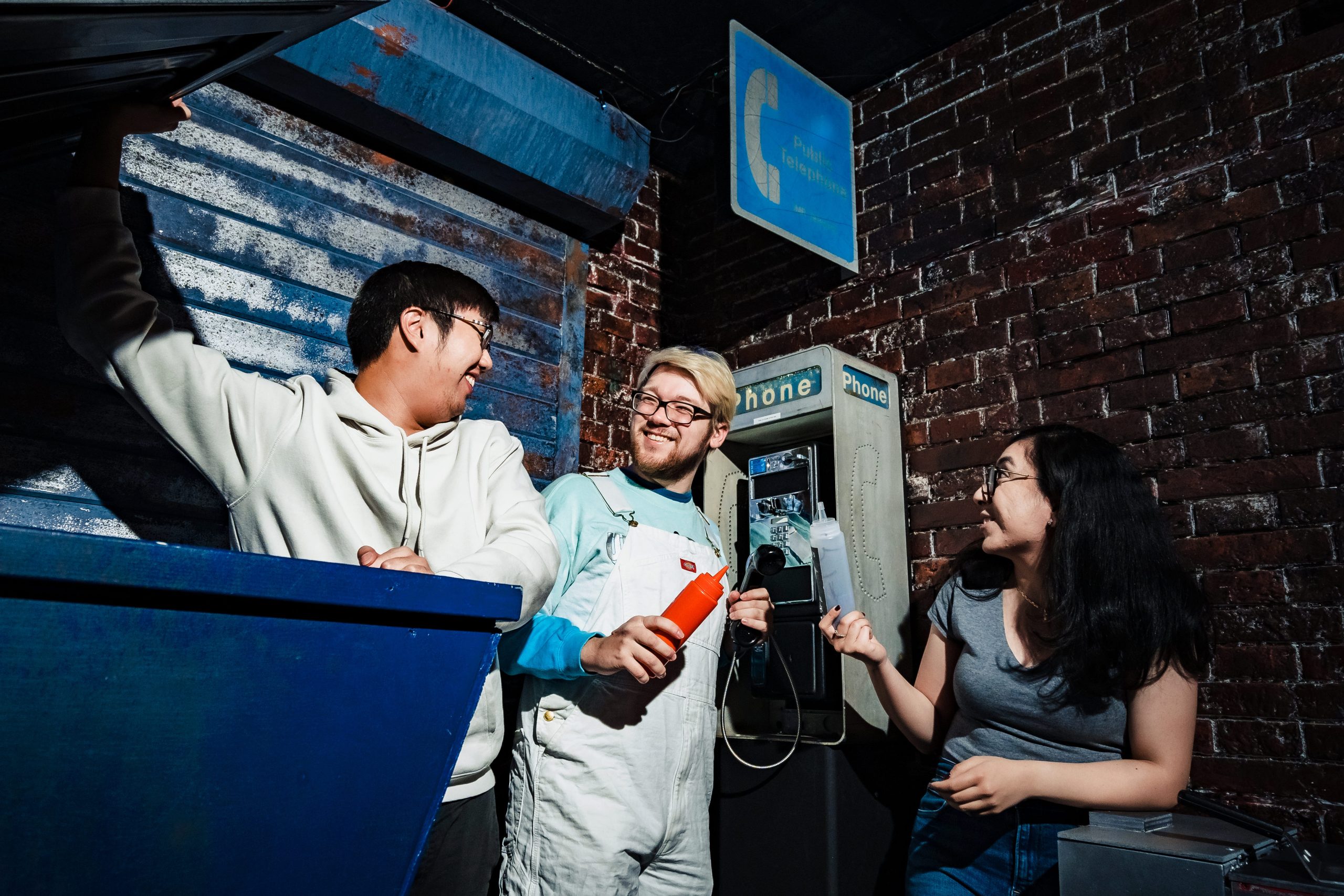
- hotdog heist: If available on the website, treat it as a light, fun option and confirm current difficulty before booking.
These rooms are suitable when your team wants an entertaining adventure, a clever theme, and a decent chance to complete the room.
Intermediate Level Rooms (🟡 Moderate)
Intermediate rooms are better for groups that already understand how solving puzzles works.
- institute: A moderate science-themed escape room with observation, connections, and coordinated puzzle solving.
- drunk tank: A strong option for team building because it can support larger groups, often up to 10 players.
- Steampunk Train: A moderate-style game with riddles, locks, and multi-room movement.
These rooms reward a prepared team that can talk clearly, assign tasks, and avoid duplicating effort.
Advanced Level Rooms (🔴 Challenging)
Advanced Trapology rooms increase pressure by using denser puzzle layouts. Venues like Trapology often pack rooms with more puzzles than competitors, which can create bottlenecks for large teams or extra time pressure for small ones.
Recommended team sizes are often 2–5 players for more challenging rooms and up to 10 for larger, traditional ones. At this level, the worst mistake is silence. Communication is key in escape rooms; sharing what you find prevents team members from working on the same puzzles.
Expert Level Rooms (⚫ Extreme)
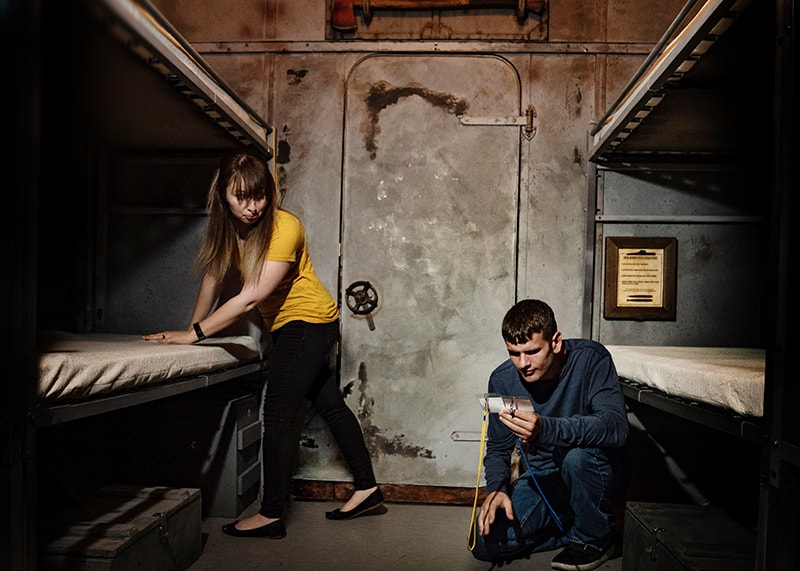
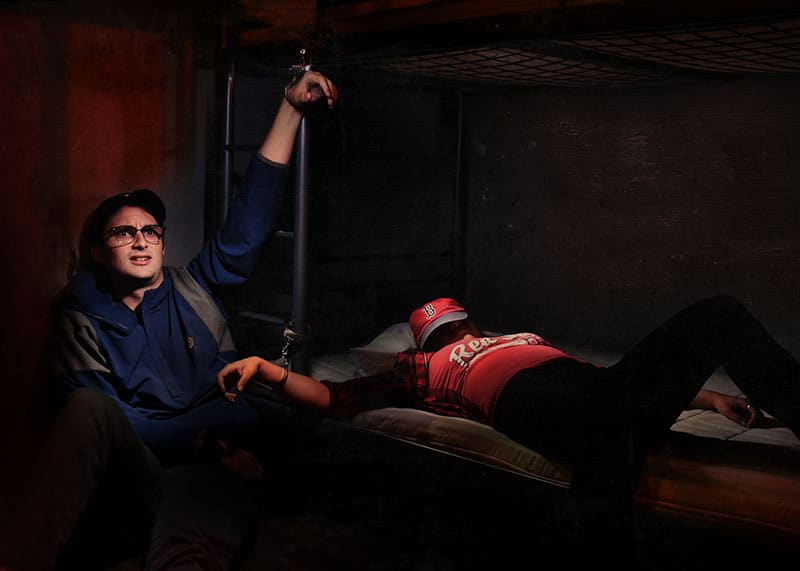
Crush depth is widely treated as Trapology’s expert benchmark. Trapology specifically identifies crush depth as its hardest game, with a haunted submarine theme, secret compartments, multi-step mechanics, and constant searching.
This room is best for experienced players who enjoy a challenging environment, suspense around every corner, and a competitive experience rather than a guaranteed win.
Trapology Rooms Difficulty Comparison
| Room Name | Difficulty Level | Best For | Group Size | Completion Rate | Key Features |
|---|---|---|---|---|---|
| retreat | 🟢 Beginner | first time players | Up to 5 | Highest at venue | Welcoming, basic mechanics |
| Witching Hour | 🟢/🟡 Low-moderate | Families, casual groups | Small-medium | Not published | Supernatural theme, accessible puzzles |
| hotdog heist | 🟢 Likely light | Casual fun | Confirm online | Not published | Check website before booking |
| institute | 🟡 Intermediate | Friends with some experience | Medium | Not published | Science theme, logic puzzles |
| drunk tank | 🟡 Intermediate | Corporate team building | Up to 10 | Not published | Larger group play |
| Steampunk Train | 🟡/🔴 Moderate | Social groups | Medium | Not published | Locks, riddles, automated inputs |
| crush depth | ⚫ Expert | Enthusiasts | 2–5 ideal | Low | Submarine, suspense, hidden layers |
How to Choose the Right Trapology Room
For First-Time Players
Start with the retreat or Witching Hour. These rooms help a new person learn how to search, connect ideas, and understand how an escape game flows.
For Corporate Teams
Choose drunk tank or institute. These create collaboration without making the job feel impossible. Assigning tasks based on team members’ strengths can improve efficiency and problem-solving.
For Friend Groups and Enthusiasts
If your group has played before, progress from Witching Hour to institute, then finally to crush depth. The right room should match your skills, not just your confidence.
Tips to Succeed in our Escape Rooms
Here are practical Trapology escape room tips, based on what Trapology has encountered with a wide variety of players and situations:
- Talk about every object, code, and clue you encounter.
- Keep a centralized space for solved, unsolved, and unused clues—this helps maintain organization and prevents losing important items during the game.
- Do not put keys or papers in pockets; they disappear into a black hole.
- Watch the clock because the hour moves quickly—time management is crucial as the game progresses.
- If you wait more than 10 minutes on one puzzle, using hints is a valuable strategy; ask for help if you’re stuck.
- Trapology traditionally gives 3 hints per game, which must be earned when the group performs a dance.
- Look underneath, behind, inside, and on the other side of props.
- For a boost of energy and motivation, listen to your favorite hype song, like ‘Pump up the Jam,’ on repeat before the game to get your team pumped up.
The last thing you want is to lose momentum because one guy found something and forgot to tell the rest of the team.
When You’re Ready for Something More Immersive
Traditional escape rooms focus on puzzles, locks, inputs, and timed progression. The use of thematic inputs and effects can create a tech-driven immersive experience, making interactions feel satisfying.
If you want the next step, look for story-driven, actor-based experiences. These add character interaction, deeper narrative, and a more theatrical world. Think less “solve the code” and more “step into the woods, hear the story come to life, and influence what happens.”
Frequently Asked Questions
What is the hardest game?
Crush depth is the hardest Trapology room, with dense searching, suspense, and multi-step puzzle sequences.
Which Trapology room is best for beginners?
retreat is the best beginner choice because it has the highest success rate and a welcoming structure.
How difficult are these rooms compared to other Boston venues?
Trapology rooms generally sit on a higher difficulty scale, with an overall 20–30% success rate.
How many people should you bring to each difficulty level?
Bring 2–5 for harder rooms and up to 10 for larger traditional rooms like drunk tank.
Do you need special skills for advanced escape game?
No special life skills are required, but observation, communication, organization, and logic matter precisely.
Can you book multiple rooms of increasing difficulty?
Yes. A strong path is retreat, Witching Hour, institute, then crush depth.
Final Thoughts
Trapology Boston rooms ranked by difficulty show a clear pattern: beginner rooms build confidence, intermediate rooms reward teamwork, and expert rooms test experienced players.
Book the room that fits your group, not the one that sounds hardest. You may be surprised how exciting, creative, and immersive the right challenge can be.
For your next outing, choose a Trapology room that fits your team, then explore story-driven immersive alternatives when you want deeper character engagement and a new form of adventure.